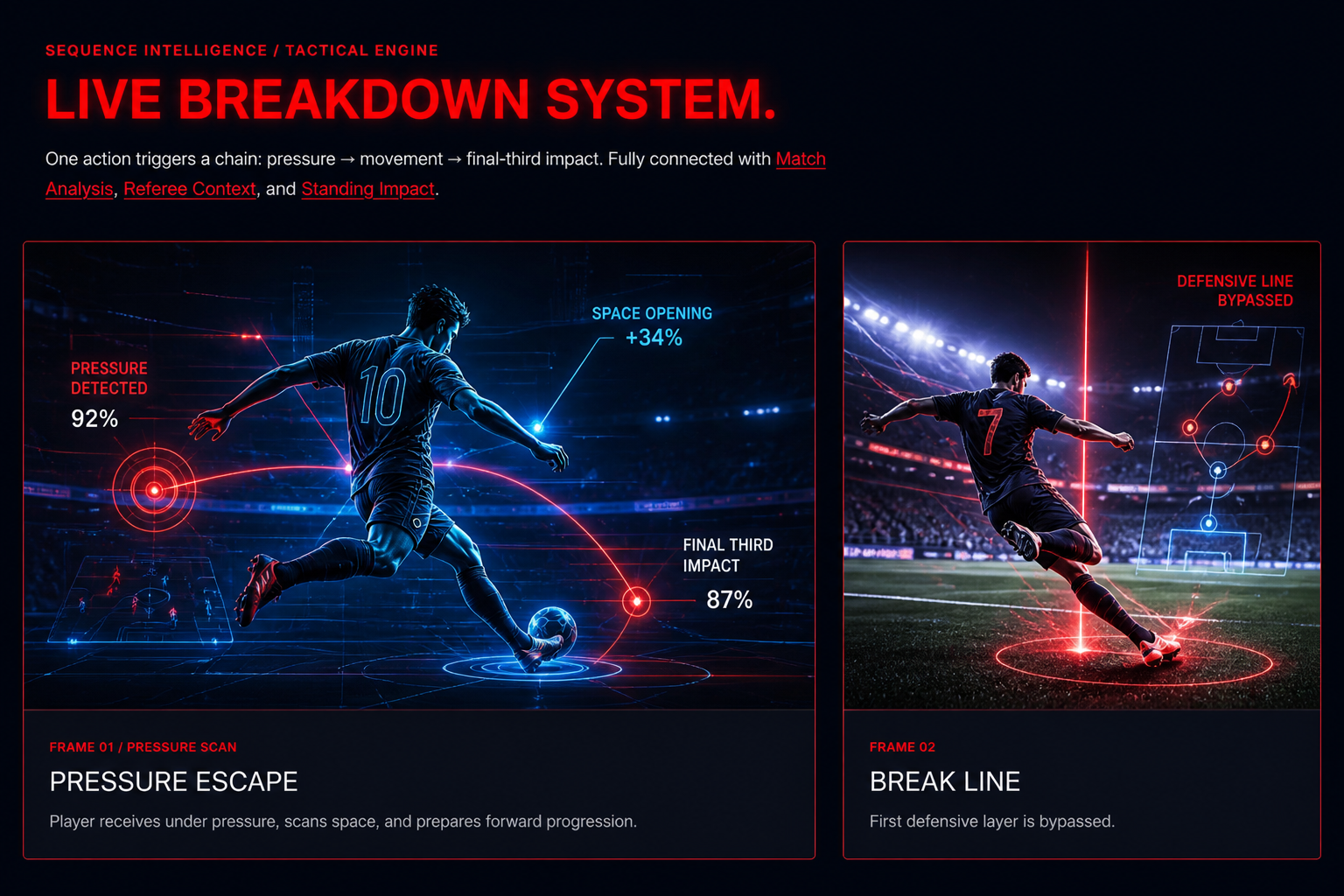
Frame 01 / Pressure Scan
Pressure Escape
The player receives under pressure, scans the available space, and prepares forward progression. Mathic Field reads the moment as a sequence, not just an isolated action.

Beyond stats. We decode decisions, positioning, pressure, and match influence — connected directly with Match Analysis, Referees, and Standing.
Explore Analysis →
Most platforms show numbers. We analyse behaviour. Every action connects to tactical structure and Match Analysis.

We break players into functional roles — not positions. This connects player decisions with Match Analysis, Referee Influence, and opponent pressure.
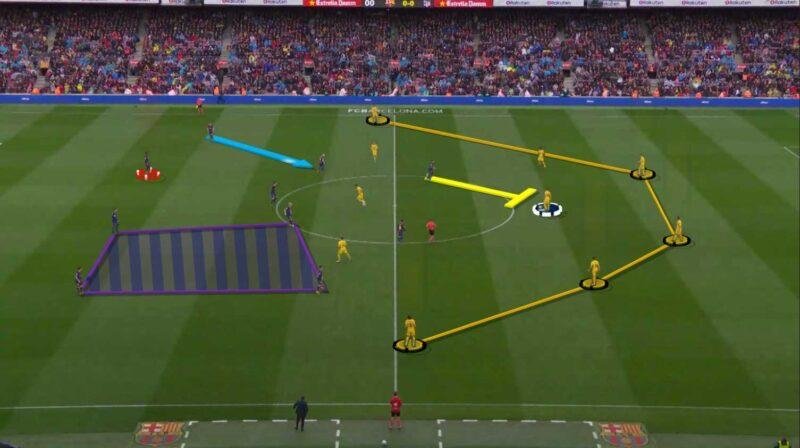
We classify players by function, not only position.
We evaluate decisions under real match pressure.
We isolate moments that define the outcome.

One action triggers a chain: pressure, movement, spatial decision, and final-third impact. This section connects player behavior with match analysis, referee context, and standing pressure.
The player receives under pressure, scans the available space, and prepares forward progression. Mathic Field reads the moment as a sequence, not just an isolated action.
Player Analysis at Mathic Field studies the influence of a player beyond the obvious numbers. Goals and assists matter, but they do not tell the full story. A player can change the rhythm of a match through movement, pressure resistance, passing decisions, defensive work, positioning, and the ability to create danger before the final action happens.
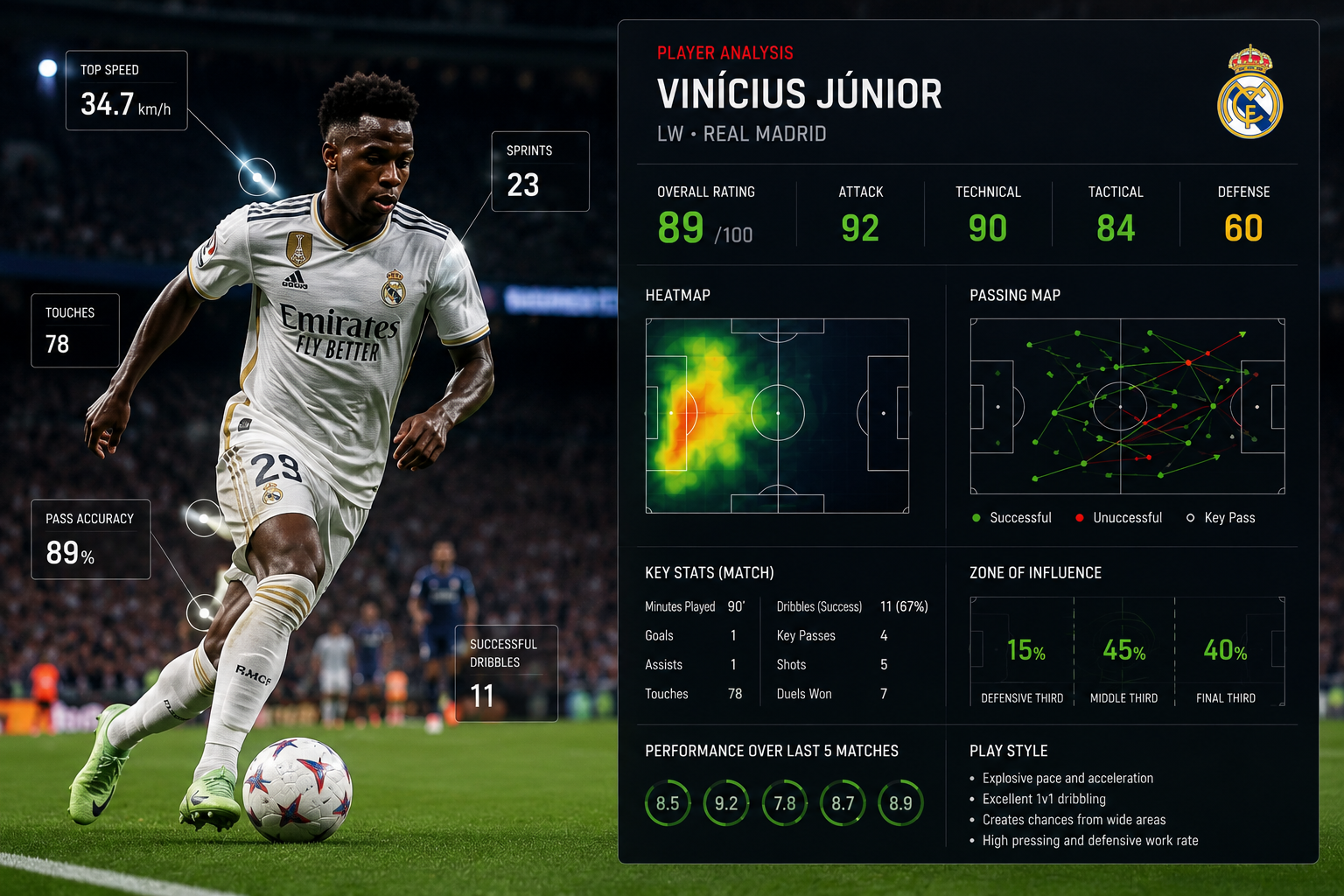
A standard player review often focuses on the most visible actions: a goal, an assist, a mistake, or a highlight moment. Mathic Field looks deeper. We ask how a player influenced the match before the highlight appeared.
Did the player stretch the defensive line? Did he create space for a teammate? Did he receive under pressure and keep the attack alive? Did his movement force the opponent to change structure?
Player intelligence is about context. The same statistic can mean different things depending on role, match state, opponent pressure, and tactical instruction. A winger’s dribble is not only a skill action; it can be a tool to break pressure. A midfielder’s simple pass can be the decision that resets control.
This is why Mathic Field combines performance data with tactical interpretation. We read touches, zones, passing direction, pressure moments, movement patterns, and contribution to team rhythm. The objective is not only to rate a player, but to explain how that player changed the match environment.
We study how player movement creates space, pulls defenders out of position, opens passing lanes, and changes the structure of an attack before the final pass or shot.
Some players keep control when the match becomes unstable. We analyze first touch, decision speed, body orientation, and passing choices under pressure.
A player’s role can change during a match. We read how the player adapts to tactical shifts, game state, substitutions, and opponent adjustments.
This page is the main hub for Mathic Field player intelligence. It connects player statistics with tactical meaning, helping readers understand why some players influence matches even when they do not appear on the scoresheet. The best football analysis does not only ask who scored. It asks who created the conditions for the match to move in that direction.
Player Analysis also supports the wider Mathic Field model. Match momentum, referee context, and standings pressure are all affected by individual actions. A single player can accelerate tempo, slow down pressure, disrupt an opponent’s rhythm, or turn a balanced match into a dangerous phase.
Player analysis is not only about individual numbers. It is about influence. Mathic Field reads the movement, pressure, decisions, and tactical role that explain how a player shapes the match beyond goals and assists.